Scope of work
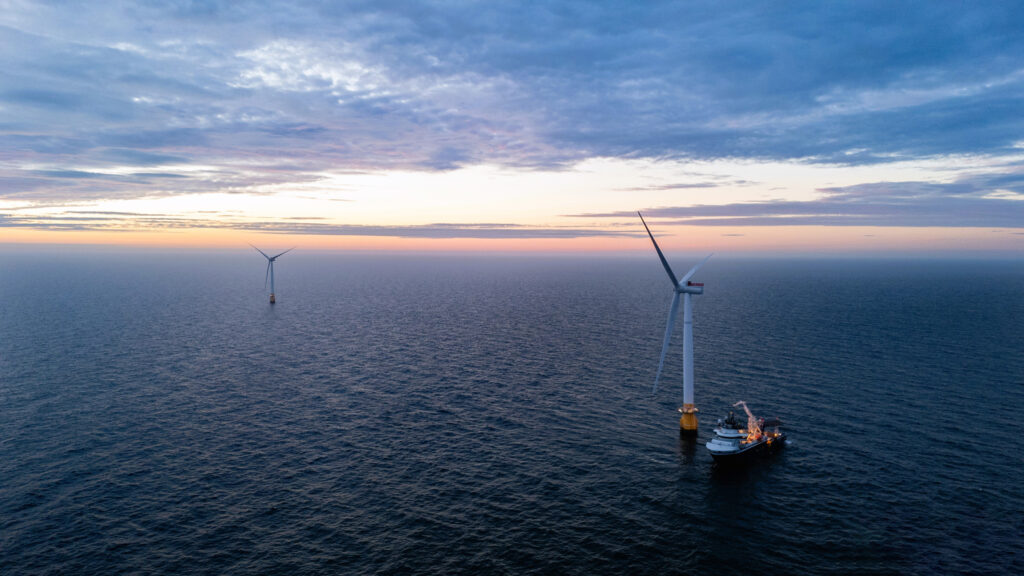
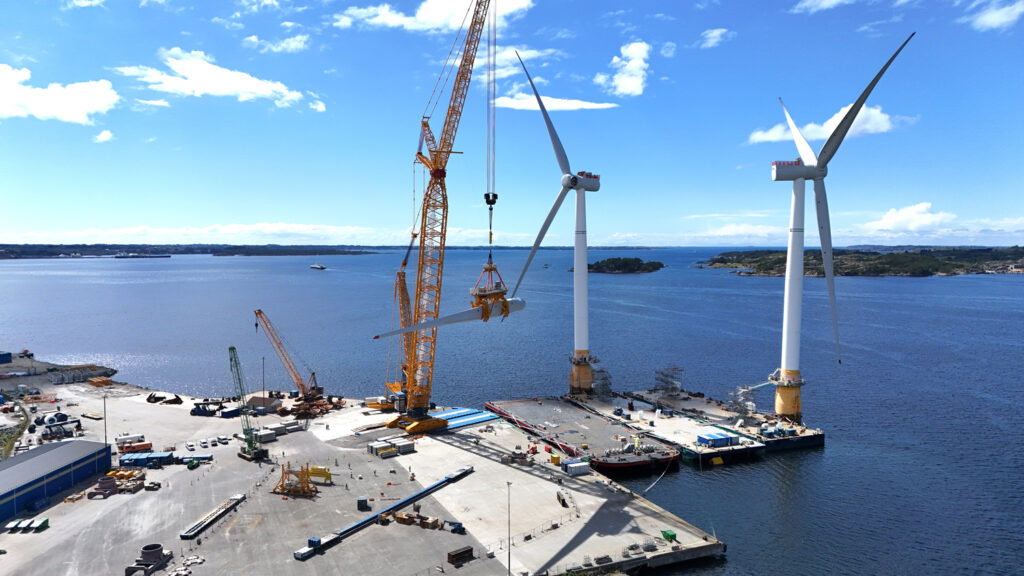
As part of the Hywind Scotland MCE, which included executing the full MCE scope within a single season in the challenging North Sea environment, a GM Opsim analysis was conducted. It was utilized to ensure alignment between the simulation, planning and the actual operations both inshore and offshore.
The work required managing interdependencies across three distinct sites and operations: inshore assembly site, tow and mooring, and commissioning of the FWT at field, each with its own operational dynamics.
A dedicated internal resource maintained the operations schedule, ensuring close cooperation between progress tracking, live operations at all three sites and Opsim updates.
After the FEED, GM Opsim was utilized to verify a new mooring disconnection and connection method.
Challenges
The work included complexity in combining the three different types of operation, which each presented its own specific uncertainties and requirements. Weather restrictions, particularly current velocity and directions posed significant limitations for the offshore operations at the HYS field. Scheduling, logistics and analysis were further complicated by unknown repair and commissioning scope. Additionally, the walk-to-work operations with the Service Operation Vessel proved highly sensitive to the weather conditions, requiring flexible planning.
Outcome – Results and Deliverables
Following the FEED study, our analysis demonstrated that implementing a new and improved disconnection/connection method resulted in substantial vessel day savings across the project. Additionally, the GM Opsim analysis provided accurate forecasts of expected downtime due to weather conditions at the three work sites. This enabled more realistic planning of operational durations, allowing for better prioritization and sequencing of activities. As a result, the project achieved significant cost reductions, improved fuel efficiency, and lower carbon emissions. The integration of Opsim, combined with close progress tracking, allowed for dynamic adjustments that optimized both resources and timelines. Overall, our analysis indicates a minimum saving of 40 vessel days.